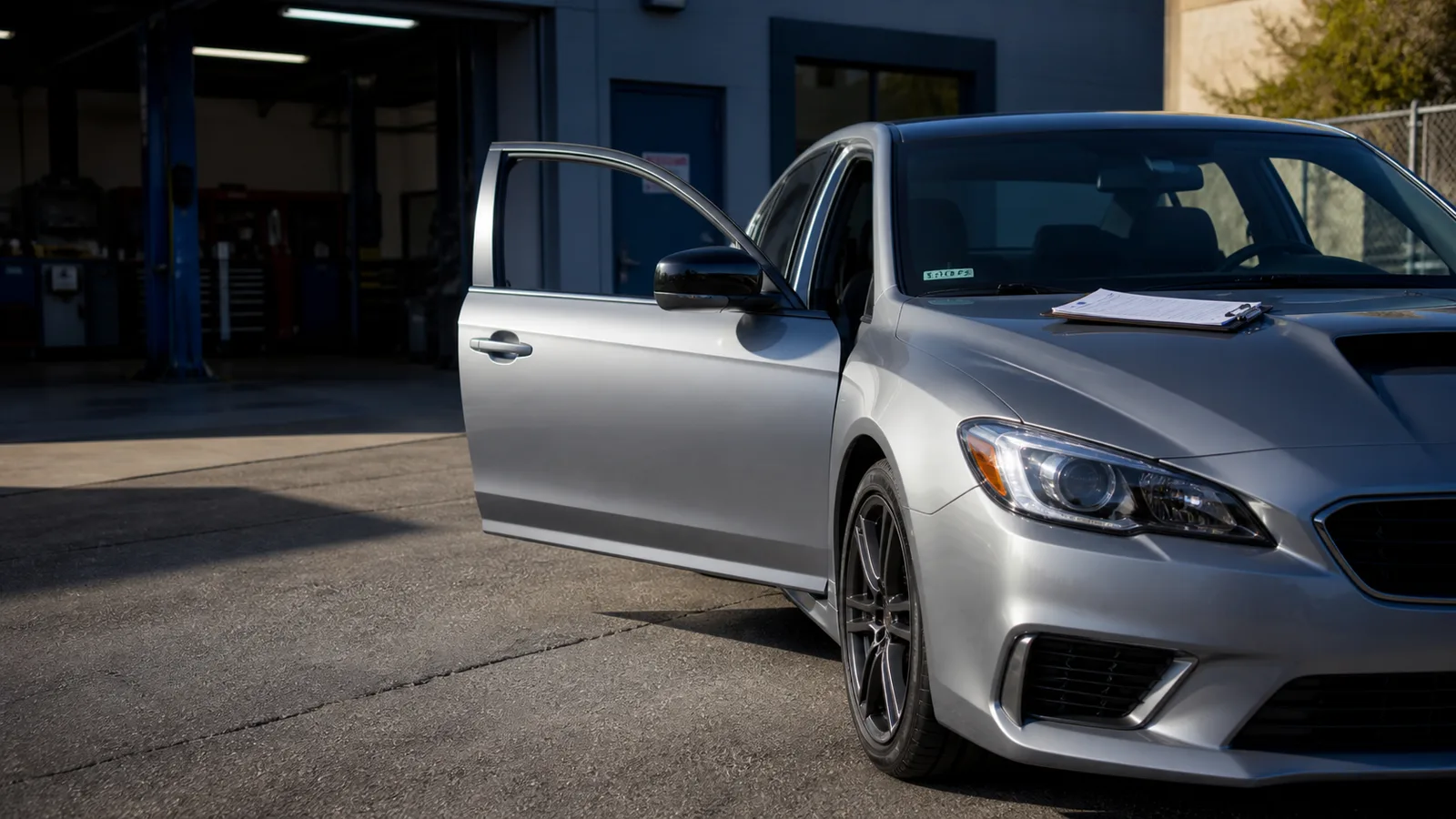
A recall announcement applies to a defined population of vehicles, not automatically to every car with the same badge. The VIN is the reliable starting point, and an “open” result still needs a repair plan.
Search with the exact VIN
Copy the 17-character VIN from the windshield or certification label and compare it with the title. Enter that exact number in the official recall lookup rather than relying on a model-year search.
Read the status and remedy
An open recall means the manufacturer has identified a safety defect and the remedy has not been recorded as complete for that VIN. The notice explains the risk, affected component and available repair.
- Save the campaign number and description
- Ask a franchised dealer whether parts are available
- Confirm whether the vehicle is safe to use while waiting
Do not treat “no open recalls” as a full history
The result does not describe accidents, maintenance, customer-satisfaction campaigns or every technical bulletin. Recently announced recalls may also take time to appear for a specific VIN.
Verify completion with paperwork
Request the repair order showing the VIN, campaign number, date and completed remedy. A sticker, verbal claim or cleared dashboard warning is not equivalent to documented recall completion.
Use recalls during a purchase
Open recalls are usually repaired without charge, but timing and parts availability can affect the deal. Confirm the plan before purchase, especially when the campaign advises owners not to drive or park the vehicle in a particular way.
Sources and useful tools
NHTSA VIN recall lookup ↗NHTSA recalls overview ↗Specifications and procedures vary. Follow the owner’s manual and use a qualified technician whenever safety or diagnosis is uncertain.