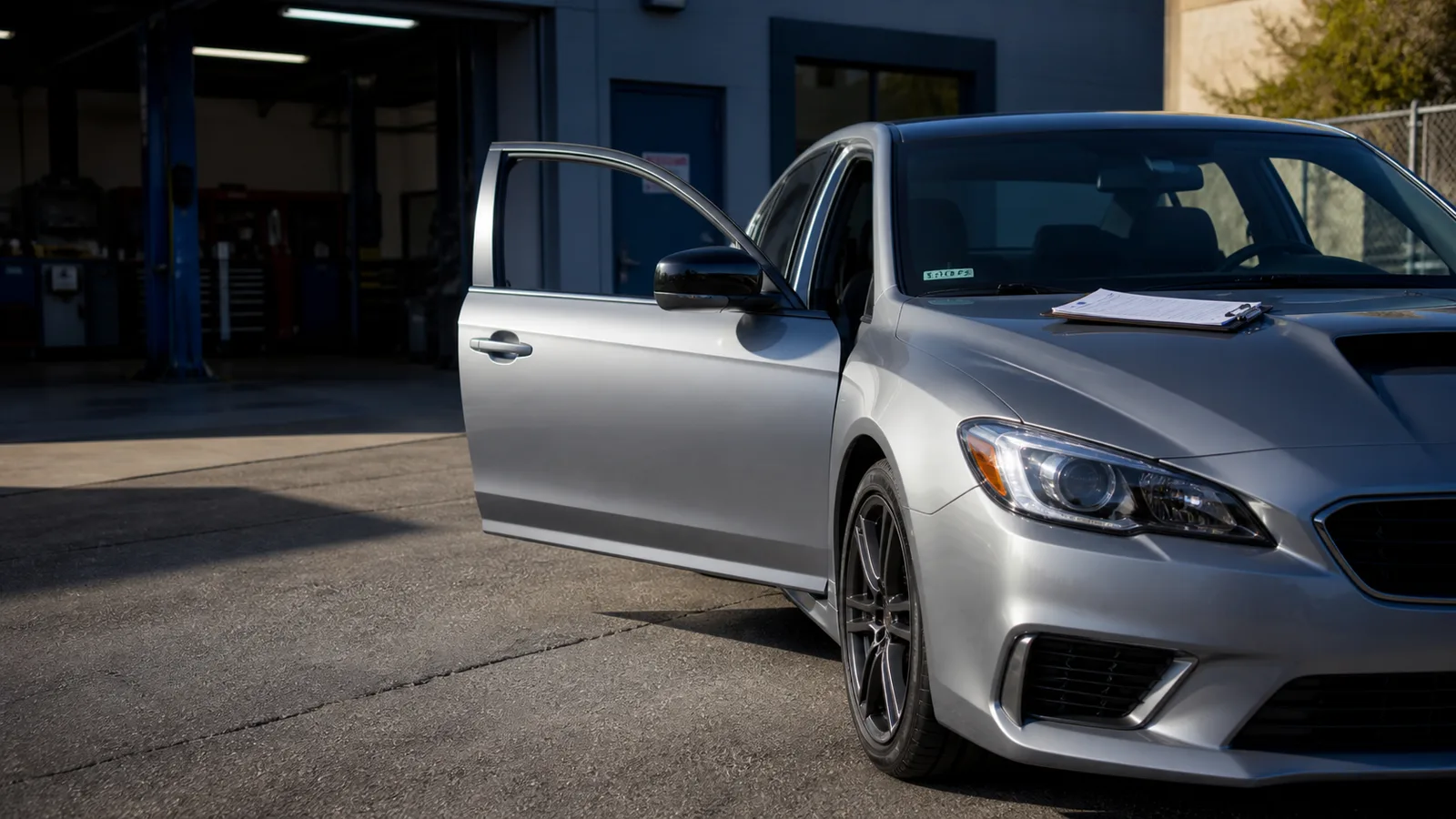
A VIN is an identity key, not a complete biography. It can confirm the manufacturer and vehicle attributes; title, mileage and damage events come from separate databases.
Read the number in three parts
Characters 1–3 identify the manufacturer. Characters 4–8 describe attributes. Character 9 is commonly a check digit, character 10 encodes model year, and characters 12–17 form the production sequence.
Verify before you buy
Compare the VIN at the windshield, driver-door label, title and service records. Differences, damaged rivets or a replaced-looking label require professional investigation.
- Decode specifications with NHTSA vPIC
- Check open safety recalls
- Use an NMVTIS-approved provider for title history
Understand the blind spots
A decoder does not prove current mechanical condition. Some repairs, private incidents and maintenance events never reach history databases, so pair data with a physical inspection.
Sources and useful tools
NHTSA vPIC decoder ↗NMVTIS consumer access ↗Specifications and procedures vary. Follow the owner’s manual and use a qualified technician whenever safety or diagnosis is uncertain.