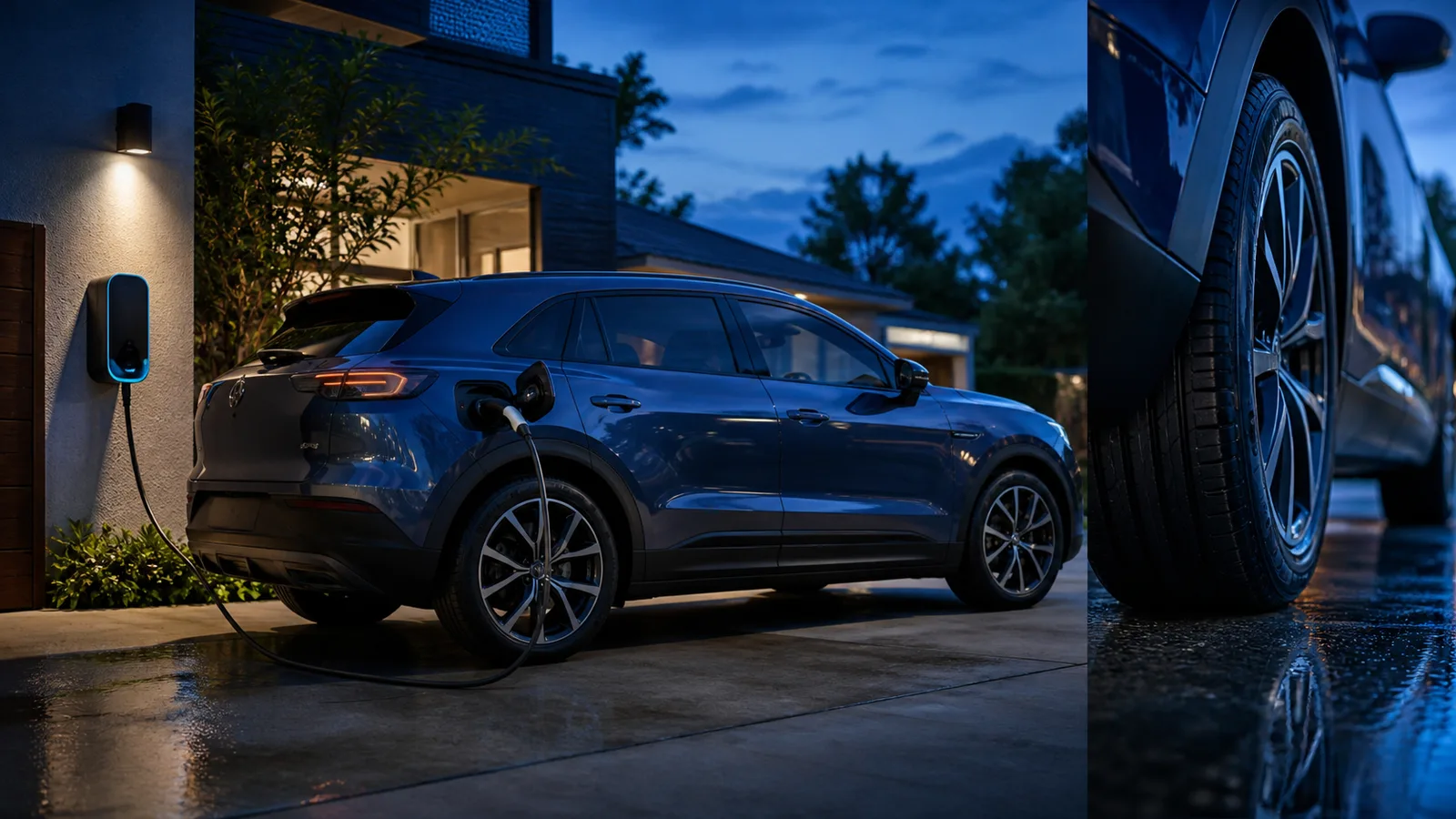
A used EV can be an excellent buy, but the odometer tells only part of the story. Battery condition, charging access, software support and remaining warranty determine whether the car fits your life.
Start with your real route
Write down the longest routine day, the coldest or hottest seasonal conditions and where the car can reliably charge. Buy around that use case rather than the vehicle’s original advertised range.
Ask for battery evidence
Request the manufacturer battery-health report when available, warranty repair history and screenshots taken at a known state of charge. A dashboard estimate changes with recent driving and climate, so it is not a laboratory capacity test.
- Confirm the high-voltage battery warranty by VIN
- Check whether recalls and software campaigns are complete
- Compare indicated energy use during a meaningful test drive
Test charging, not just driving
Verify the charge port, cable lock, AC charging and—when practical—DC fast charging. Charging speed varies with temperature and state of charge, but repeated errors or an interrupted session need explanation.
Inspect the ordinary car underneath
EVs still have tires, brakes, suspension, air conditioning and a 12-volt electrical system. Heavy curb damage, uneven tire wear and corrosion can matter more immediately than a small difference in estimated range.
Know the walk-away signals
Pause when the VIN does not match, battery warnings are active, the seller refuses a diagnostic report, the underbody battery enclosure is damaged or the car cannot complete a normal charging session.
Sources and useful tools
U.S. DOE electric vehicle basics ↗NHTSA recall lookup ↗Specifications and procedures vary. Follow the owner’s manual and use a qualified technician whenever safety or diagnosis is uncertain.