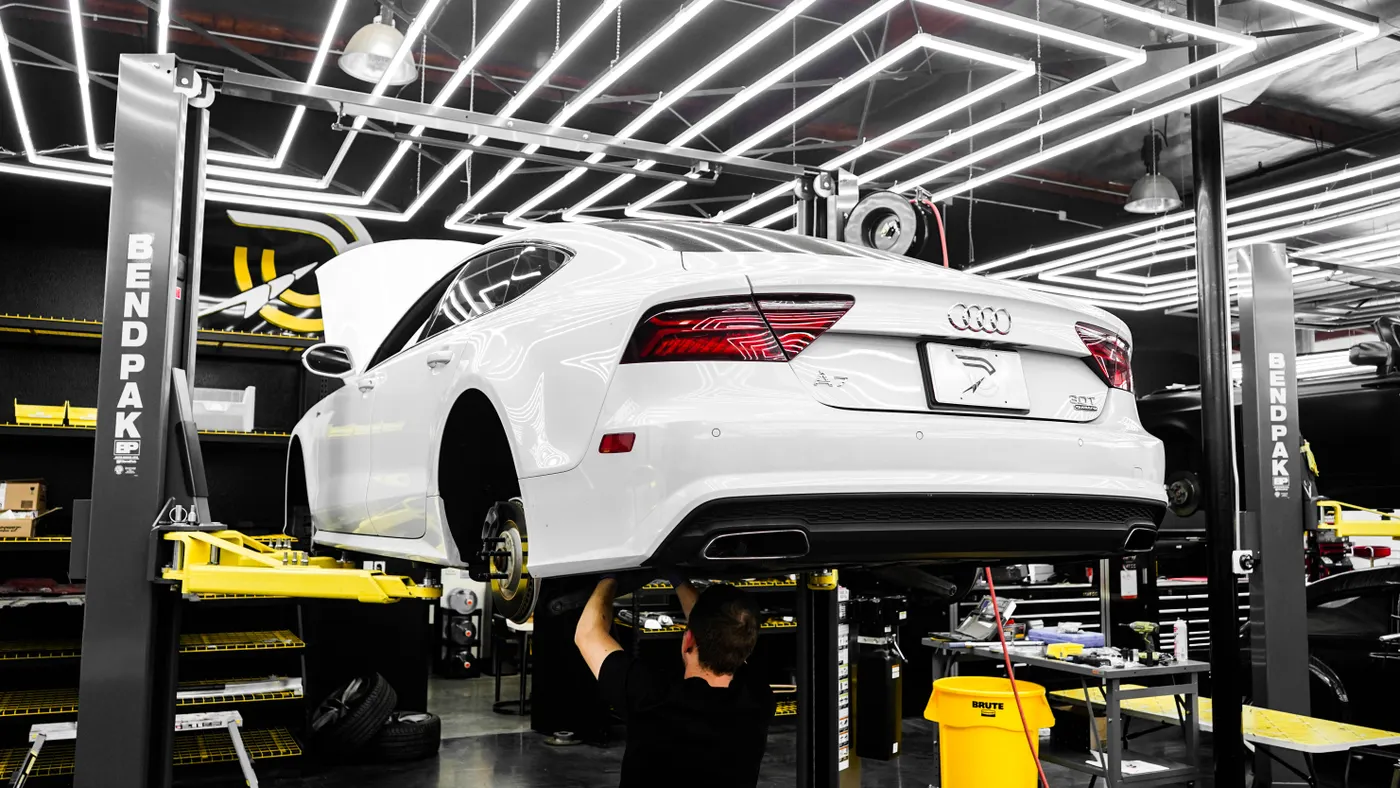
Brake pads do not wear on one universal schedule. Vehicle weight, traffic, corrosion, driving style, regeneration and caliper condition can make the inner and outer pads wear very differently.
Do not wait for grinding
A wear indicator may create a high-pitched warning, but not every vehicle or pad design uses the same system. Grinding, strong pull, a changing pedal or a brake warning requires prompt inspection.
Inspect inner and outer pads
A quick look through the wheel may show only the outer pad. Seized slide pins, a sticking piston or corrosion can consume the inner pad first, so a complete inspection must compare all friction surfaces.
Read the wear pattern
Tapered or strongly uneven wear is evidence about caliper movement, hardware, rotor condition or hydraulic release. Replacing pads without addressing the cause can reproduce the problem.
- Measure rotor condition against manufacturer limits
- Inspect flexible hoses, dust boots and hardware
- Check both sides of the axle before quoting parts
Separate pad wear from pedal problems
Thin pads do not explain every soft, sinking or unusually low pedal. Hydraulic leaks, air, fluid condition and mechanical adjustment require separate diagnosis and may make the vehicle unsafe to drive.
Bed and verify the service
Use the pad and vehicle manufacturer procedure for installation and bedding. Confirm pedal feel before moving, torque the wheels correctly and perform a controlled verification without overheating new friction material.
Sources and useful tools
NHTSA brake safety information ↗Specifications and procedures vary. Follow the owner’s manual and use a qualified technician whenever safety or diagnosis is uncertain.